CHOOSE YOUR EVENING PACE
Input your email to get a personalized ritual guide for the Napier South community.
EVENING ROUTINE BLUEPRINT
Choose a track, adapt it to your lifestyle, and build a calm evening system that improves recovery, mood, and next-day clarity.
ABOUT THIS SERVICE
Evening Rituals NZ provides general lifestyle education and structured routine ideas. We do not promise specific outcomes and we do not provide medical diagnosis or treatment. Our recommendations are informational and should be adapted to your personal needs and schedule.
Some pages may be promoted through online advertising. We aim to keep all claims clear, factual, and consistent with what users receive on-site. If you have questions before submitting your details, contact us at team@mobilityradiant.world.
WHY HABITS MATTER
Every person in New Zealand lives a unique life. From the busy streets of Auckland to the quiet corners of Napier, our daily choices define our state of being. An evening habit is not just a task; it is a transition. It serves as a bridge between the high energy of the workday and the necessary quiet of the night. By selecting habits that align with your specific activities, you create a sustainable lifestyle that feels natural rather than forced.
Research into lifestyle patterns suggests that a one-size-fits-all approach rarely works. A person spending eight hours in front of a screen needs different evening cues than someone who has been hiking the local trails or working a physical job. Our approach focuses on observing your day to pick the right evening ritual. It’s about balance, awareness, and making conscious choices that fit into your existing schedule without adding extra pressure.
HOW TO BUILD AN EVENING THAT WORKS IN REAL LIFE
Many evening routines fail for one reason: they are designed for perfect days. Real evenings include late meetings, family tasks, traffic, mood changes, and decision fatigue. To make a routine realistic, build it in layers instead of strict scripts. Layer one is body transition. This is a short physical action that tells your nervous system the workday is over: a walk, shower, stretching, or simple breathing while standing near an open window. Layer two is cognitive closure. Spend a few minutes writing what is complete and what starts tomorrow, so unfinished work leaves your head and moves into a trusted system. Layer three is emotional atmosphere. Choose one repeated cue such as warm lighting, quiet music, tea, or a short reading ritual. Repetition is powerful because the brain starts associating that cue with recovery. Together, these layers create a soft landing that does not depend on high motivation.
To keep this system resilient, define short and full versions. Full version may take 25 minutes, short version 7 minutes. On difficult days, run the short version instead of skipping everything. This prevents all-or-nothing behavior, which is the most common reason routines collapse after one busy week. You can also use if-then rules: if I finish work late, then I do breath plus closure notes; if I feel restless, then I walk before any screen entertainment; if I feel overwhelmed, then I reduce inputs for thirty minutes. These rules reduce decision load when energy is low. Over several weeks, a layered routine improves sleep readiness, emotional stability, and morning focus because your evenings stop being reactive. The goal is not an aesthetic ritual for social media. The goal is a practical sequence that protects your mental bandwidth, relationships, and long-term wellbeing in normal life conditions.
THE 7-DAY EVENING RESET FOR MODERN SCHEDULES
A seven-day reset works best when each day has one focused objective. Day one: observe current patterns without judgment. What time do you finish work, eat, and start scrolling? Day two: define your finish line with a shutdown phrase and one action, such as closing your laptop and clearing your desk. Day three: build a five-minute environment reset by dimming lights, preparing water, and reducing visual clutter. Day four: add a movement micro-ritual that matches your day type (mobility for sedentary days, breath-led cooldown for active days). Day five: run a digital sunset test with phone distance for twenty minutes before bedtime. Day six: include social warmth through a short call, conversation, or message that supports connection and emotional regulation. Day seven: review your week by scoring evenings for energy, calm, and sleep readiness, then keep what worked and remove what felt forced.
This reset is useful because it turns wellbeing into an experiment, not a self-discipline contest. Each day produces data you can actually use. If your stress peaks after 9 PM, adjust inputs earlier. If your sleep improves after a short walk, make that your anchor habit. If planning notes reduce rumination, keep them even on weekends. The system is adaptive, so it can scale with your life. During high-pressure periods, run a minimal version focused on closure and calm cues. During lighter weeks, expand movement and reflection blocks. Also, pair your evenings with one next-day anchor: set out clothes, water, or a first task note. This reduces morning friction and reinforces momentum. Over a month, you will notice that intentional evenings create quieter mornings, clearer decisions, and better emotional range across the week. The reset is not about controlling every minute. It is about creating a repeatable rhythm where recovery is planned rather than accidental.
THE NAPIER EVENING
Imagine the sun setting over Hastings Street. The air cools down, and the city pace shifts. This is the moment to start your ritual. Our localized guides take into account the environment you live in, the climate of New Zealand, and the common professional demands of our region.
SAFETY GUIDELINES
- 1. Always ensure your environment is safe before starting any physical movement.
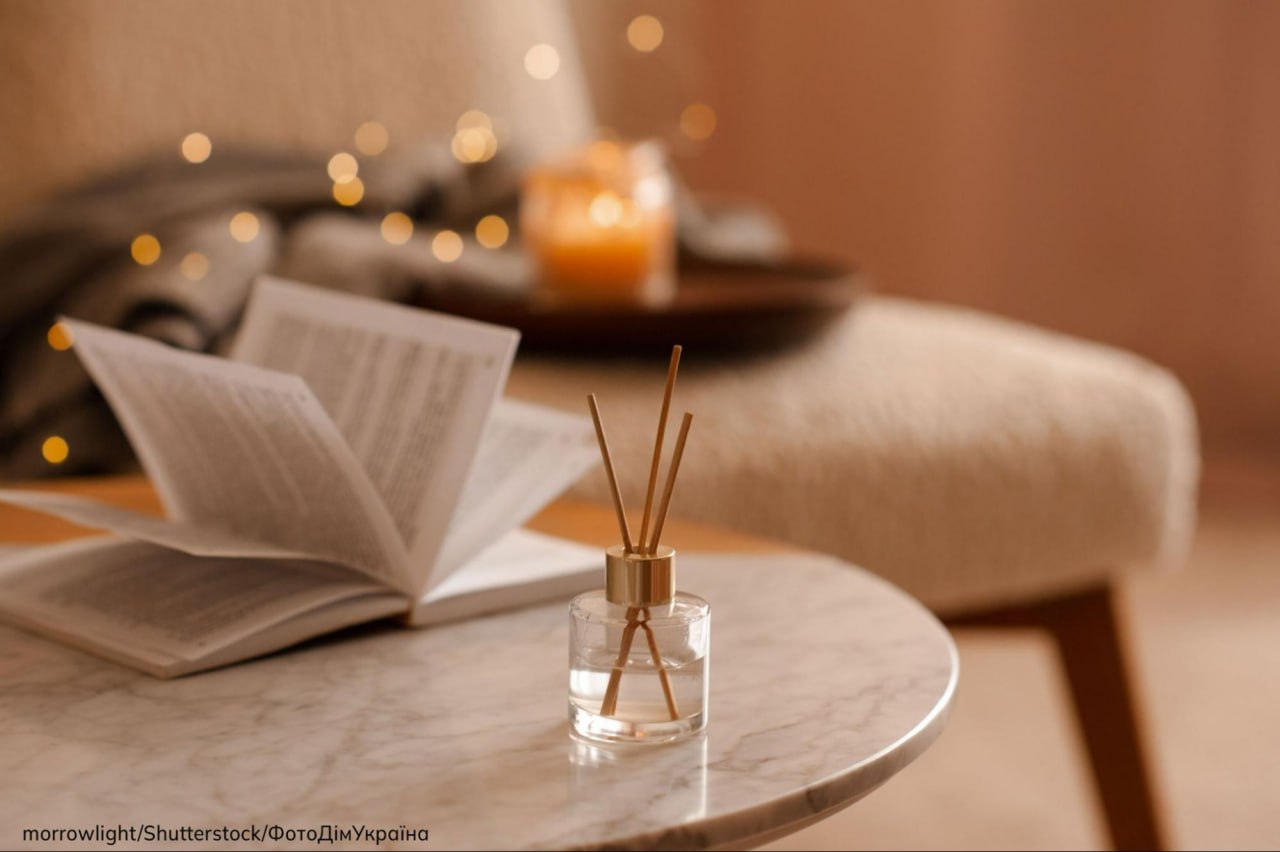
- 2. Keep your space well-ventilated while using any evening scents or teas.
- 3. Listen to your body's natural signals and do not force a habit that feels uncomfortable.
- 4. If you use evening light adjustments, ensure you have enough visibility to move around safely.
RITUAL CATEGORIES
DIGITAL RESET
Designed for those who work with technology. Focuses on eyes and mental decluttering.
PHYSICAL EASE
For the active Kiwis. Focuses on gentle movement and cooling down the body.
CREATIVE FLOW
For those who need to stop the "idea machine" and find peace before sleep.
COMMUNITY CALENDAR 2026
JUNE 14: Napier South Evening Walk & Talk - Meet at Hastings St.
JULY 09: Online Workshop: Setting Up Your Workspace for a Better Evening.
AUGUST 21: Local Habit Swap - Community gathering in Napier.
FREQUENTLY ASKED
Q: How long should a ritual take?
A: It can be as short as 5 minutes or as long as an hour. The key is consistency, not duration.
Q: Can I mix habits from different categories?
A: Absolutely. Your lifestyle might be a mix of remote work and high activity. Adapt as needed.